

Preparing Your Business for Winter Weather Before the First Storm
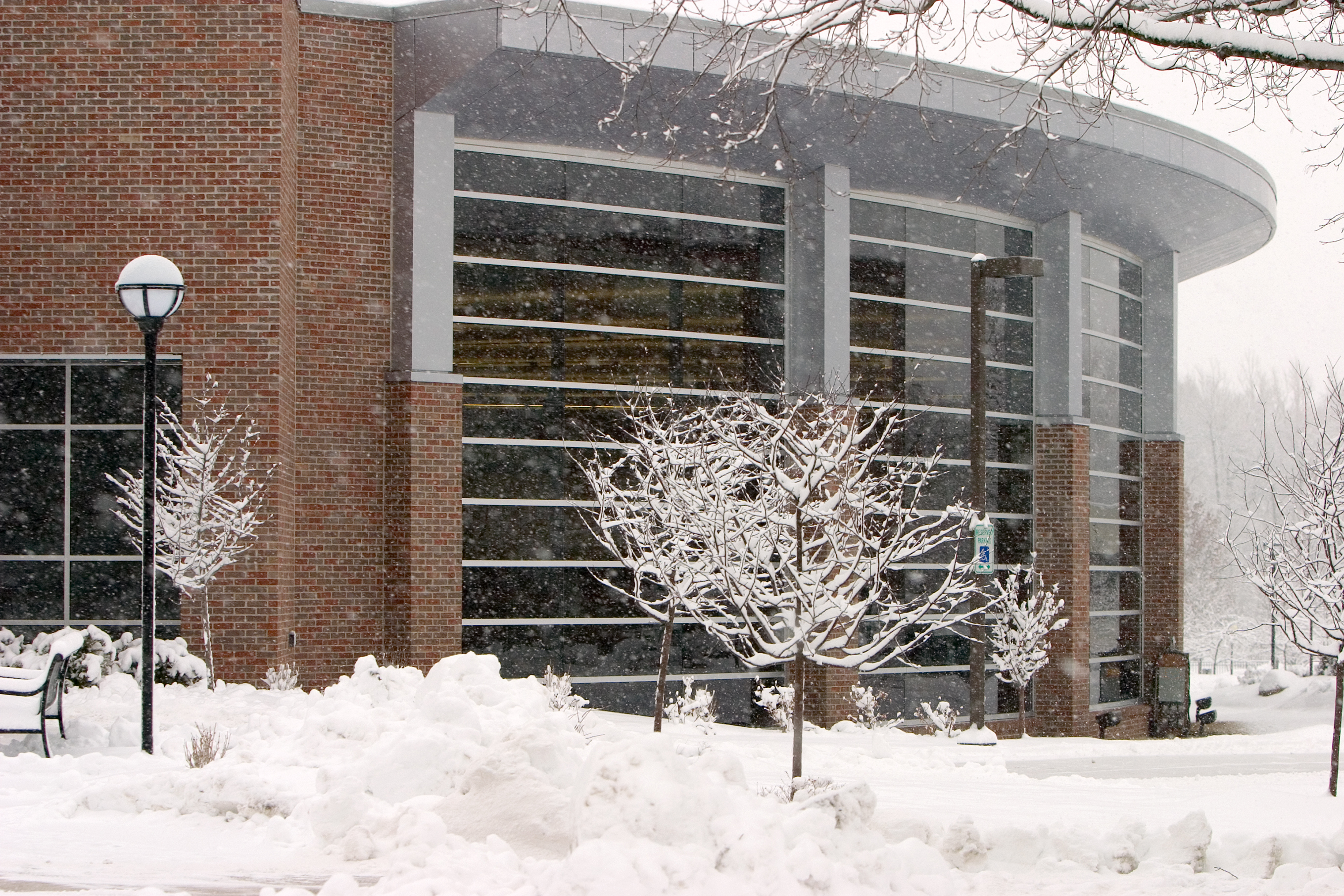
In the Northeast, winter weather can arrive quickly and with little warning. Heavy snow, ice accumulation, freezing temperatures, and power outages can create significant challenges for businesses of all sizes. Taking time in November to prepare before the first major storm can help reduce property damage, improve employee safety, and keep operations running smoothly throughout the winter months.
A proactive approach to winter preparedness starts with evaluating key areas of risk, including snow and ice management, roof conditions, emergency response planning, and protection against frozen pipes.
Establish a Snow and Ice Management Plan
Snow and ice can create hazards for employees, customers, and visitors, while also increasing the risk of slips, falls, and vehicle accidents.
Before winter weather arrives, businesses should review and update their snow and ice management plans, including:
- Identifying who is responsible for snow removal and ice control.
- Confirming contracts with snow removal vendors.
- Establishing trigger points for plowing, shoveling, and salting.
- Defining priorities for sidewalks, parking lots, entrances, and emergency exits.
- Maintaining adequate supplies of salt, sand, or ice melt products.
- Documenting snow and ice removal activities.
Clear communication and well-defined procedures can help ensure prompt action when winter weather impacts your area.
Inspect Roofs Before Snow Accumulates
A roof that performs well during warmer months may not withstand the added stress of heavy snow and ice. Roof failures can result in costly damage, business interruption, and safety concerns.
Before the first storm, consider conducting a roof inspection to identify:
- Damaged or missing roofing materials
- Areas where water may pool
- Blocked drains and gutters
- Signs of structural weakness or deterioration
- Loose flashing or rooftop equipment
It's also important to understand your building's ability to handle snow loads and to establish procedures for safely addressing excessive accumulation if necessary.
Addressing maintenance concerns before winter can help prevent larger problems once snow and ice begin to build.
Review Emergency Preparedness Plans
Winter storms can affect operations in many ways, ranging from delayed deliveries and inaccessible roadways to power outages and communication disruptions.
November is an ideal time to review your organization's emergency preparedness plans and ensure employees understand their roles and responsibilities.
Questions to consider include:
- How will employees receive emergency notifications?
- Are business continuity plans up to date?
- Is backup power available for critical operations?
- Are emergency contact lists current?
- Have procedures been established for remote work if needed?
- Are emergency supplies readily available?
Organizations that prepare in advance are often able to respond more effectively and recover more quickly when severe weather occurs.
Take Steps to Prevent Frozen Pipes
Frozen pipes are one of the most common causes of winter property damage. Even a small pipe can release significant amounts of water if it freezes and bursts, leading to costly repairs and potential business interruption.
To reduce the risk of frozen pipes:
- Inspect and insulate vulnerable plumbing lines.
- Seal gaps and openings where cold air can enter.
- Maintain adequate building heat, even during closures or weekends.
- Ensure thermostats are functioning properly.
- Identify and monitor areas prone to freezing, such as attics, crawl spaces, utility rooms, and exterior walls.
- Develop procedures for checking vacant or lightly occupied buildings.
Businesses with seasonal, vacant, or low-occupancy properties should take additional precautions, as these buildings may be at greater risk for undetected freezing conditions.
Prepare Today to Help Reduce Tomorrow's Losses
Winter weather is an unavoidable reality for businesses across New England and New York, but the risks associated with snow, ice, and freezing temperatures can often be reduced through preparation and planning.
By reviewing snow and ice management procedures, inspecting roofs, strengthening emergency preparedness plans, and addressing vulnerabilities that could lead to frozen pipes, businesses can better protect their employees, customers, property, and operations.
Taking these steps before the first storm arrives can help minimize disruptions, prevent costly losses, and position your organization for a safer and more successful winter season.
There for You: Acadia Insurance
At Acadia, we’re all about helping businesses throughout the Northeast thrive. Our mission is to provide superior service and products as close to you as possible, offering targeted coverage for your business needs.
We understand what you want most from your insurance is security and peace of mind. That means knowing you are working with an insurance provider who will support you every step of the way to help you protect your business.
With Acadia, not only can you get coverage tailored to your needs, but you will also receive support from dedicated claims professionals to guide you through the claim process in the event of a loss. That way, you know exactly what to expect. Knowing your claims professional by name and a handshake – that’s “Closer Coverage”. Get to know more about how we work and find an agent near you by going to the Find an Agent section on our public website (www.acadiainsurance.com).
Acadia is pleased to share this material for the benefit of its customers. Please note, however, that nothing herein should be construed as either legal advice or the provision of professional consulting services. This material is for informational purposes only, and while reasonable care has been utilized in compiling this information, no warranty or representation is made as to accuracy or completeness. Recipients of this material must utilize their own judgment in implementing sound risk management practices and procedures.